Keeping your workplace safe has never been easier
Reliable
PAT testing to keep your business safe and compliant
We
provide PAT testing in the workplace, ensuring the safety of staff, customers
and assets.
About Cambs-PAT
We are an established specialist electrical compliance company currently providing professional PAT testing services to various organisations including multi-site businesses across the UK.
Our experienced team at Cambs-PAT (UK) Ltd. deliver reliable, efficient and fully compliant testing programs creating minimal disruption to our clients' day-to-day operations.
Testing today for a safer tomorrow
We provide appliance testing services across more than 1,000 sites each year,
supporting a wide range of organisations including:
Factors that influence PAT testing
There has been a lack of clear guidance on the frequency of testing portable appliances due different measures needing to be put in place for certain situations to ensure any danger is prevented. We are able to help you determine when your electrical appliance needs testing by assessing factors such as:

Environment
If your equipment is stored in a benign environment it will require less frequent testing as it will be less exposed to damage, compared to an arduous environment.
Equipment Type
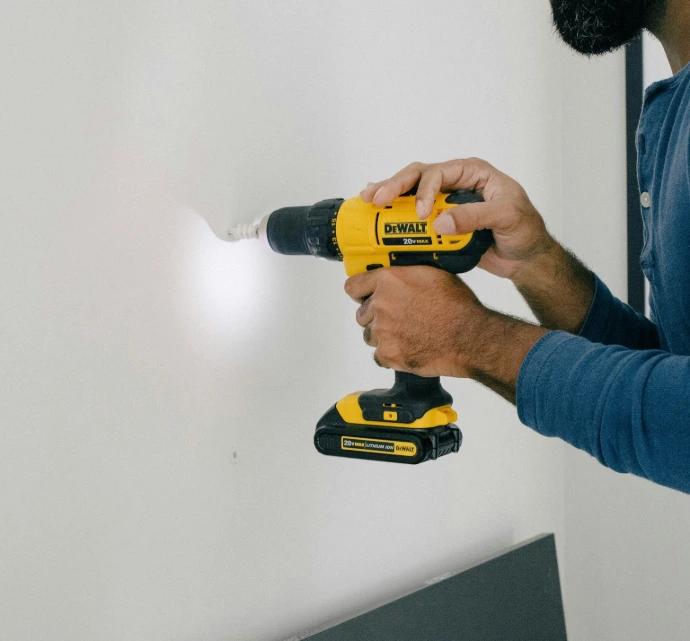
If your appliance is hand-held it is more likely to be damaged than fixed appliances, and so will require more frequent testing.

Equipment Construction
Class I appliances require more testing due to their reliance on an earth connection for safety, whereas Class II equipment is not dependent upon the fixed electrical installation.

Users
Testing can become less frequent if users report damage when it becomes evident as opposed to equipment receiving unreported abuse causing hazards to occur.
Why choose Cambs-PAT?
Start your journey with us today!
No contracts
Many of our customers are independent businesses that use our services when they need them. There is no commitment required, creating a more hassle-free process. We'll even keep you updated about any certificates that might be expiring soon.
Competitive pricing
Clear pricing from start to finish. Most of the testing we do can be completed in one visit, so there is usually only one invoice to pay.
Experienced engineers
Our team of qualified engineers has many years of experience in the field, trusting they can get the job done correctly and efficiently.
Customers' testimonials
Our Google reviews
"Sam called on the day of the appointment to advise of an estimated arrival time, he was both professional and pleasant and undertook the testing in an efficient manner, testing was completed as expected and everything tidied up before leaving, very happy with service"

"Colin was very efficient and accommodating. Starting before our clinic opened was amazing. Thank you"

"Colin attends every year. Cannot fault the service. So professional and very patient waiting to get into occupied rooms" Great price

"Colin was friendly and efficient. No issues whatsoever"

"Perfect professional service, very friendly and worked around our schedule "

"Colin has carried out our PAT testing for several years, and the service has always been excellent. He is reliable, professional, and courteous, with a great understanding of our business and how to minimise disruption while completing the testing. We would highly recommend Colin to anyone"

FAQs
Anything that plugs into a power source will likely need to be tested as part of the PAT testing process. These appliances can range from toasters and microwaves in a kitchen to computer monitors in an office and any electrical equipment in a factory.
It depends on many factors, a main one being the amount of PAT tests that need to be completed during a visit.
When you contact us, let us know how many units need to be tested and if you’re unsure, send us your most recent PAT testing report or asset list if you have one.
Any damaged equipment is more likely to cause hazards like electric shock or fire that can potentially harm your companies employees, customers and the building you operate in. PAT testing helps to make sure all your electrical equipment is safe to use, and is a great investment in your workplace safety.
Short answer - Yes!
Our team is well equipped to deal with large businesses and our engineers are highly trained and knowledgeable in all aspects of the job.
Formal PAT testing isn't usually required for new equipment before use, however we recommend a visual inspection to check for damage such as cracked casings or frayed cords.
Quick Links